|  18th Mar 2026 |
  4Min. To Read
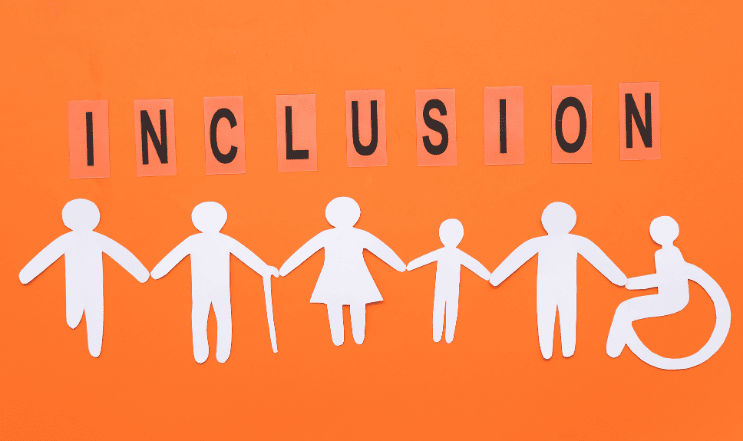
As digital identity checks become standard across the UK, businesses must ensure their processes are not only secure but also inclusive. Identity Verification for Inclusivity is increasingly important when dealing with individuals who may not have access to traditional identification documents, such as passports or driving licences.
Stateless or undocumented individuals often face significant barriers when accessing employment, housing, financial services, and healthcare. For organisations, the challenge is to verify identity while remaining compliant, fair, and accessible.
Who Are Stateless or Undocumented Individuals?
Stateless individuals are those who are not recognised as citizens by any country. Undocumented individuals may lack official identification due to displacement, administrative issues, or loss of documents.
In the UK, such individuals may still have the legal right to access certain services or employment opportunities. However, traditional identity verification systems often rely heavily on standard government-issued ID, making it difficult for these individuals to pass checks.
The Challenges of Traditional Identity Verification
Most identity verification processes are designed around widely accepted documents such as passports, driving licences, or biometric residence permits. This creates a barrier for individuals who cannot provide these forms of ID.
Common challenges include:
-
Lack of recognised documents
-
Inconsistent or incomplete identity records
-
Language or documentation barriers
-
Increased risk of exclusion from services
Without flexible verification methods, organisations risk excluding legitimate individuals while trying to maintain compliance.
Balancing Compliance and Inclusivity
UK businesses must comply with regulations such as anti-money laundering (AML) rules and Know Your Customer (KYC) requirements. However, these obligations should not lead to unnecessary exclusion.
An inclusive approach to identity verification involves applying a risk-based assessment rather than a rigid checklist. This means considering alternative forms of evidence and verifying identity through multiple data points rather than relying on a single document.
Alternative Verification Methods
To support Identity Verification for Inclusivity, organisations can adopt more flexible approaches, including:
-
Accepting alternative documents such as letters from recognised authorities, refugee documentation, or government-issued reference numbers
-
Using biometric verification combined with supporting evidence
-
Conducting manual verification checks where automated systems fail
-
Verifying identity through trusted third-party databases
These methods help ensure that individuals without standard ID are not automatically excluded.
The Role of Digital Verification Platforms
Modern identity verification platforms are evolving to support more inclusive processes. Advanced tools can combine document checks, biometric data, and database verification to build a more complete picture of an individual’s identity.
Using a trusted provider such as Verify Online can help organisations implement flexible and compliant verification solutions. Businesses can explore inclusive identity verification services at https://verifyonline.co.uk/ to ensure both security and accessibility.
Digital solutions also allow organisations to adapt quickly as regulations and best practices evolve.
Creating Inclusive Verification Policies
To support inclusivity, organisations should develop clear policies that:
-
Define acceptable alternative documents
-
Outline procedures for manual verification
-
Train staff on handling non-standard cases
-
Ensure compliance with UK regulations
-
Promote fair and non-discriminatory practices
Transparency is key. Individuals should understand what is required and how they can complete the verification process, even without traditional ID.
FAQ
What is identity verification for inclusivity?
It refers to adapting identity verification processes to ensure individuals without standard ID can still be verified fairly.
Can businesses verify someone without a passport or driving licence?
Yes, alternative documents and verification methods can be used depending on the situation and regulatory requirements.
Is it legal to use alternative identity documents in the UK?
Yes, as long as businesses follow relevant regulations and apply a risk-based approach.
How can companies avoid excluding undocumented individuals?
By offering flexible verification options and training staff to handle non-standard cases.
Are digital verification platforms suitable for inclusive identity checks?
Yes, many modern platforms support multiple data sources and flexible verification methods to improve inclusivity.
Conclusion
Identity Verification for Inclusivity is essential in a modern, diverse society. By adopting flexible verification methods and inclusive policies, UK businesses can ensure they do not unintentionally exclude stateless or undocumented individuals.
Balancing compliance with accessibility not only reduces risk but also supports fairness, trust, and wider participation in essential services.