Verify Online News
Mastering Credit Score Management for UK Businesses and HR Professionals
30 Mar 2026 · 6 Min. To Read · By Verify Online
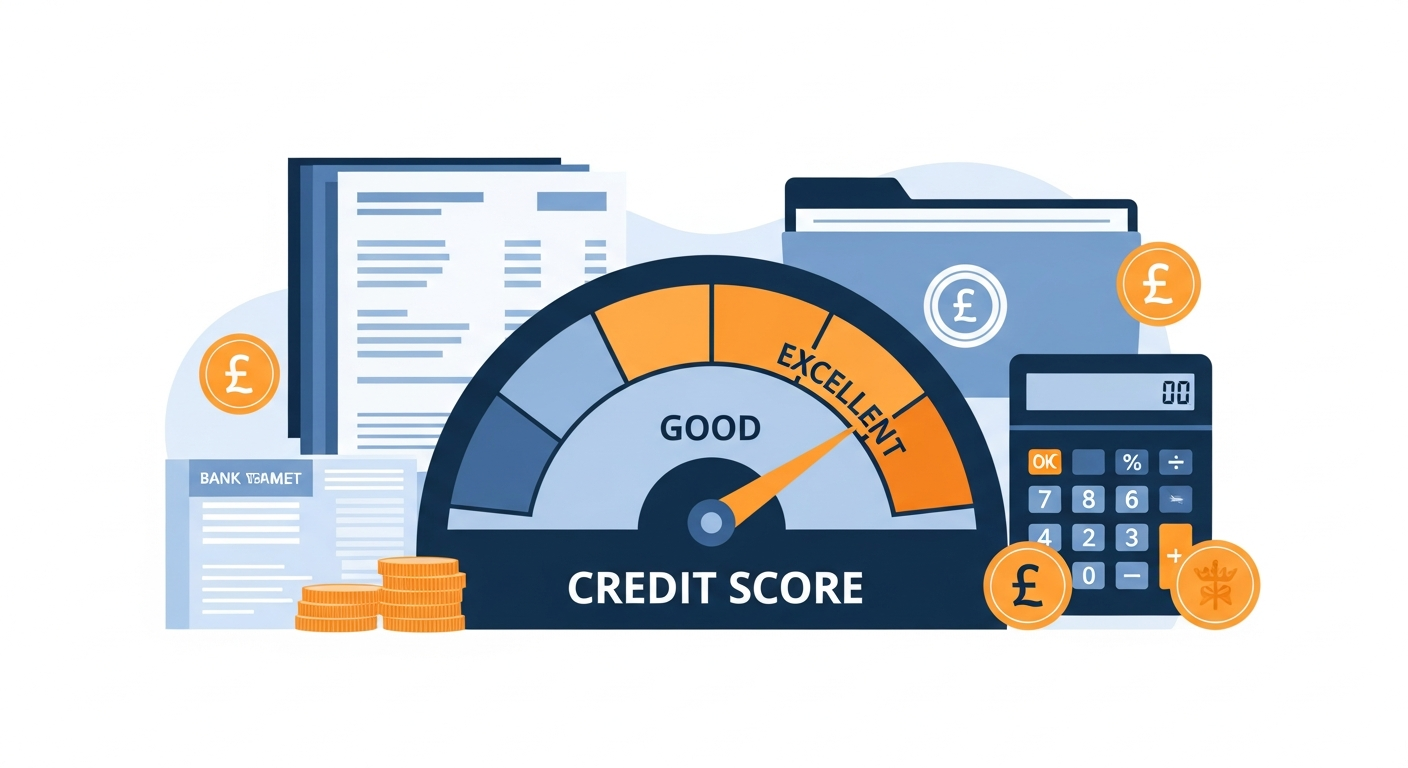
In today's financial landscape, understanding and managing credit scores is crucial for businesses and HR professionals in the UK. A credit score, which reflects an individual's creditworthiness, can significantly impact hiring decisions, loan approvals, and overall financial health. This blog post will delve into effective strategies for credit score management, helping organisations improve their credit ratings while adhering to UK regulations.
What is a Credit Score?
A credit score is a numerical representation of an individual's creditworthiness, typically ranging from 300 to 850. In the UK, credit reference agencies like Experian, Equifax, and TransUnion collect data on an individual's credit history, including payment history, outstanding debts, and types of credit used. This information is compiled into a credit report, which lenders use to assess the risk associated with lending money to an individual.
The Importance of Credit Scores in the Workplace
For HR professionals, understanding credit scores is essential, especially during the recruitment process. Many employers conduct credit checks as part of their background screening to evaluate a candidate's reliability, particularly for positions that involve financial responsibilities. Therefore, a poor credit score could hinder an otherwise qualified candidate's chances of employment.
Legal Considerations
While conducting credit checks, it is vital for employers to comply with UK regulations, including the General Data Protection Regulation (GDPR). Employers must obtain explicit consent from candidates before accessing their credit reports, ensuring that personal data is handled responsibly. Additionally, under the UK Right to Work checks, employers must ensure they are not discriminating against potential employees based solely on their credit scores.
Strategies for Improving Credit Scores
Improving a credit score is not an overnight task, but with consistent effort, it is achievable. Here are several practical steps that individuals and businesses can take to enhance their credit rating:
- Check Your Credit Report Regularly: Regularly reviewing your credit report helps identify any inaccuracies or fraudulent activities. Individuals can obtain a free copy of their report from each of the major credit reference agencies once a year.
- Pay Bills on Time: Payment history plays a significant role in determining credit scores. Setting up direct debits for regular payments can help ensure timely payments.
- Reduce Outstanding Debts: High levels of debt can negatively impact credit scores. Paying down existing debts and avoiding new ones can help improve credit ratings over time.
- Limit New Credit Applications: Each time a credit application is made, it can result in a hard inquiry, which may lower the credit score. Limiting applications to necessary situations can mitigate this risk.
- Maintain Older Credit Accounts: The length of credit history is a factor in credit scoring. Keeping older accounts open, even if they are not used frequently, can positively affect the score.
Real-World Examples of Credit Score Management
Several UK businesses have successfully implemented credit score management practices to enhance their financial health. For instance, a mid-sized retail company recognised that several of its employees had poor credit scores, which affected their stress levels and work productivity. The company initiated financial literacy workshops, empowering employees with knowledge on managing their credit scores. As a result, employees became more financially savvy and reported reduced stress, ultimately leading to improved workplace morale and productivity.
Another example involves a financial services firm that integrated credit score assessments into their onboarding process. By offering credit management resources and support to new hires, the firm not only improved its overall financial health but also fostered a culture of financial responsibility among its employees.
Conclusion
Managing credit scores effectively is essential for both individuals and businesses in the UK. By understanding the significance of credit scores and implementing proactive strategies, organisations can support their employees in improving their credit ratings while ensuring compliance with regulations. For further insights into managing identity verification processes, consider exploring our article on essential best practices for effective identity verification. Additionally, understanding how UK’s digital identity ecosystem influences credit management can provide valuable context for businesses navigating this space; read more in our post on preparing for the UK’s digital identity ecosystem.