Verify Online News
Essential Best Practices for Effective Identity Verification in the UK
27 Mar 2026 · 5 Min. To Read · By Verify Online
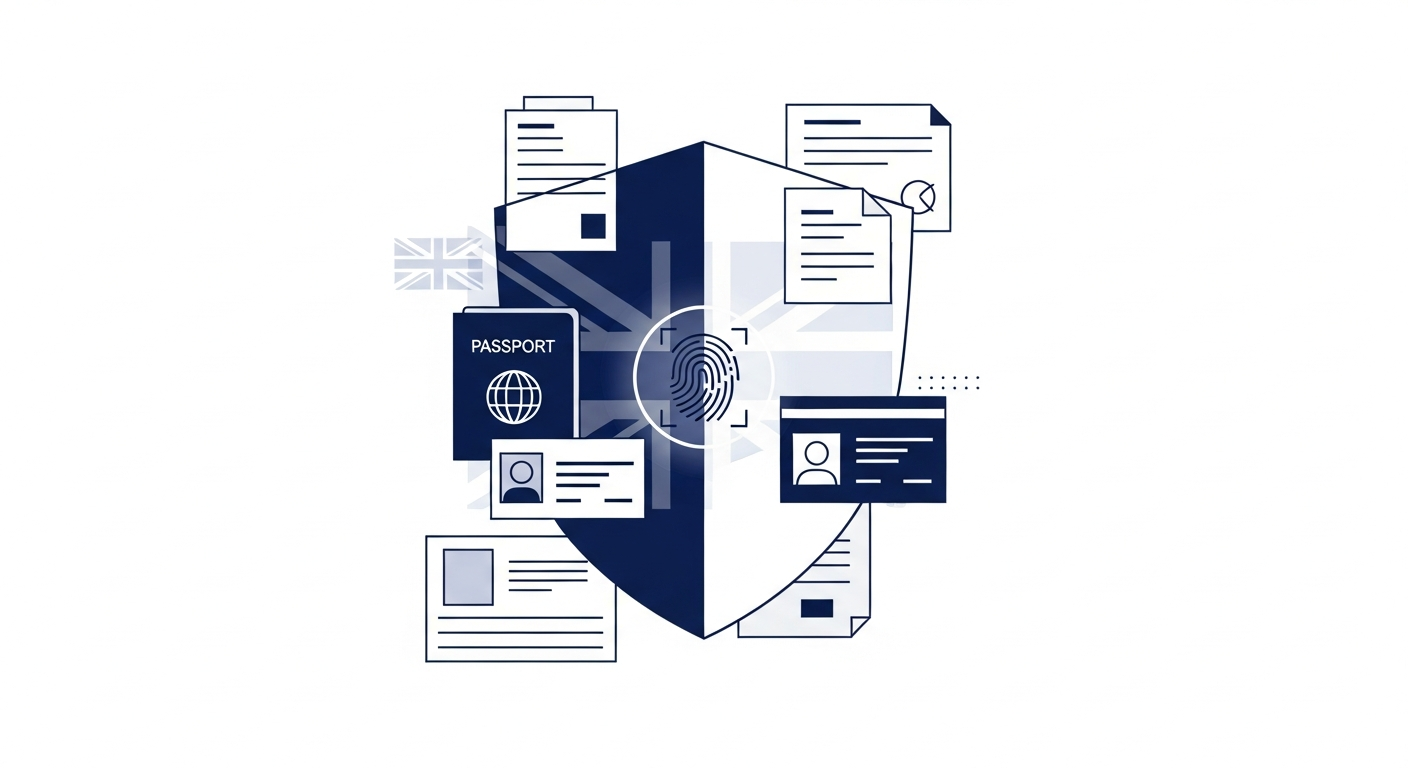
In today's digital economy, identity verification has become a critical component of customer onboarding and fraud prevention strategies for UK businesses. With the increasing sophistication of fraudulent activities, it is essential for organisations to adopt robust identity verification practices. This blog post outlines best practices for identity verification, document checking, and Know Your Customer (KYC) processes that comply with UK regulations.
Understanding the Importance of Identity Verification
Identity verification is the process of confirming that a person is who they claim to be. This is particularly important in sectors where trust is paramount, such as finance, healthcare, and employment. Effective identity verification not only helps in compliance with UK regulations such as the General Data Protection Regulation (GDPR) and the Right to Work checks but also protects businesses from potential fraud.
1. Know Your Regulatory Obligations
Before implementing identity verification processes, it is essential to understand the regulatory landscape. In the UK, organisations must comply with various regulations, including:
- GDPR: Ensures that personal data is processed lawfully and kept secure.
- Right to Work Checks: Employers must verify that employees have the legal right to work in the UK.
- GPG45: Provides guidance on the appropriate checks for identity verification in certain contexts.
Understanding these regulations will help you develop a compliant identity verification strategy.
2. Implement Multi-Layered Verification Approaches
Relying on a single method of identity verification can leave businesses vulnerable to fraud. A multi-layered approach enhances security by combining several verification methods. Consider incorporating the following:
- Document Checking: Verify government-issued identification such as passports and driving licences. Ensure that the documents are not expired and that the photographs match the individual.
- Biometric Verification: Use biometric data such as fingerprints or facial recognition technology to confirm identity.
- Digital Verification: Leverage technology to verify identities in real-time using online databases and platforms.
3. Utilise Technology for Enhanced Efficiency
Investing in technology can significantly streamline the identity verification process. Solutions such as identity verification platforms can automate document checking, enhance accuracy, and reduce human error. For instance, VerifyOnline offers cutting-edge identity verification services that comply with UK regulations. By integrating technology, businesses can speed up customer onboarding while ensuring robust fraud prevention measures are in place.
4. Training and Awareness for Staff
Employees play a crucial role in the identity verification process. Providing training on the importance of identity verification, recognising fraudulent documents, and understanding compliance requirements can empower staff to make informed decisions. Regular workshops and updates on emerging fraud trends can further enhance their ability to detect suspicious activity. For more insights, read our post on the risks of not doing thorough background checking.
5. Conduct Regular Audits and Reviews
To ensure the effectiveness of your identity verification processes, regular audits and reviews are necessary. Assess whether your methods are compliant with current regulations and if they effectively prevent fraud. Analyse incidents of fraud to identify weaknesses in your verification processes and make necessary adjustments.
Real-World Example: A Case Study
A notable example of effective identity verification practices is the approach taken by a leading UK bank. The bank implemented a multi-layered verification system that includes biometric verification and AI-driven document checks. As a result, they reported a significant reduction in fraud cases and improved customer satisfaction due to a faster onboarding process. This case illustrates how integrating technology and robust processes can yield substantial benefits.
Conclusion
Implementing best practices for identity verification is essential for UK businesses to protect against fraud and ensure compliance with regulations. By understanding regulatory obligations, adopting multi-layered verification approaches, leveraging technology, training staff, and conducting regular audits, organisations can enhance their identity verification processes. As the landscape of fraud continues to evolve, staying vigilant and adaptable in your identity verification strategies is paramount.